
Hardened Concrete / Masonry Nails
Made from high-quality special steel and treated for high hardness and toughness, with a specially quenched point for driving into cement-based substrates.
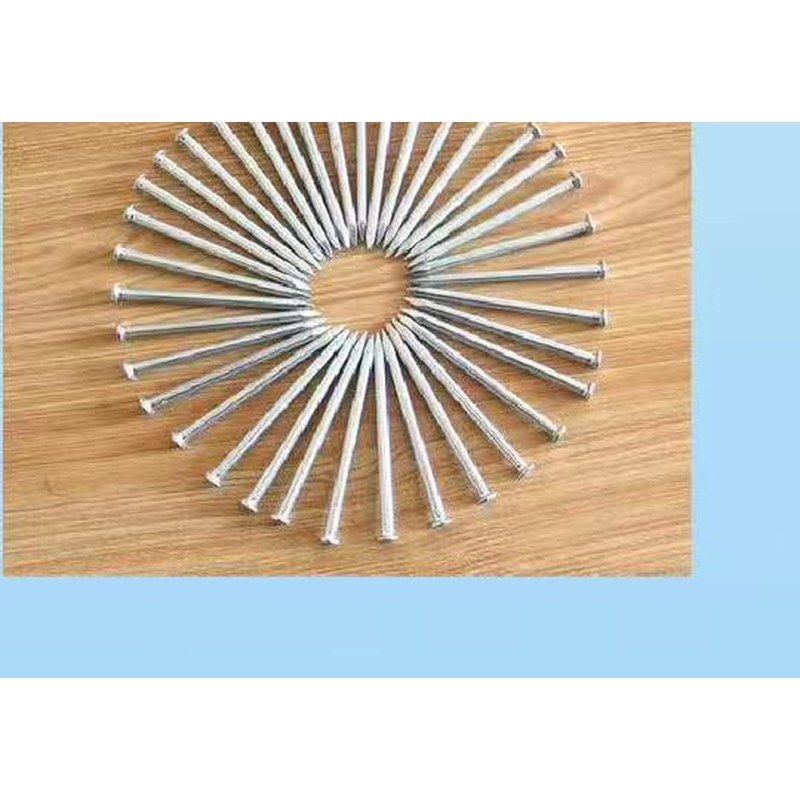
Made from high-quality special steel and treated for high hardness and toughness. The point is specially quenched for high hardness in cement-based substrates — far better service life than ordinary nails.
Special cement nails are quenched and tempered alloy steel, not ordinary wire steel reworked, which is the difference between a nail that bends on the first strike and one that drives into hard concrete. The broader sizes are used for fixing channels and frames to masonry, while the thinner gauges handle light fixings. Lengths run from 16 mm to 100 mm in 5 mm steps.
Buying note: Hardened alloy-steel masonry nails, Ø1.6–4.5 mm, 16–100 mm. Quenched and tempered for fixing into concrete, brick and stone.
Special cement nails (also called hardened cement nails, masonry nails or concrete nails) are the general-purpose hardened fastener for timber and masonry fixing. These are the typical buying scenarios:
Fixing timber formwork, walings and props to concrete and masonry — the classic use for hardened cement nails.
Fixing timber posts, mesh and rails to concrete and masonry bases.
General site fixing where the timber meets masonry or concrete.
Fixing roofing felt, insulation and membranes to timber or concrete substrates.
Fixing battens, cleats and framing timber to hard substrates.
The default hardened nail for builders who need one product to cover multiple trades.
| Parameter | Specification |
|---|---|
| Head type | Flat checkered head, twin ridge or round head (as specified) |
| Diameter | Ø1.6 mm, Ø2.0 mm, Ø2.5 mm, Ø3.0 mm, Ø3.4 mm |
| Length range | 16–150 mm (standard and special lengths on request) |
| Material | Special steel, hardened and tempered for high hardness and toughness |
| Finish | Bright, zinc-plated, hot-dip galvanized or stainless |
| Shank | Smooth, twisted or grooved (twisted for higher pull-out) |
All figures are produced to the mill standard you specify and are confirmed on the mill test certificate. Tell us the grade, diameter, length and finish you need and we will quote the exact specification — or send us a drawing or a sample and we will match it.
Common questions we receive from overseas buyers of special cement nails. If your question is not listed, send it to us and we will answer directly.
A special cement nail is made from special steel and is hardened and tempered, so it resists bending when driven into masonry or concrete and resists withdrawal when the timber is under load. A common wire nail is mild steel, intended for softwood only, and will bend rather than break if it meets stone — which is why it is not recommended for masonry work.
For fixing formwork timber to concrete, the normal specification is Ø3.0–3.4 mm at 70–100 mm length, depending on the thickness of the timber and the hardness of the concrete. On dense precast or high-strength concrete, go one gauge heavier. If you tell us the timber section and whether the base is poured concrete, blockwork or precast, we will specify the length that will not split the timber.
Yes. AISI 304 and 316 stainless cement nails are available in the same size range, and we recommend stainless for coastal, marine and continuously wet applications — hot-dip galvanized is adequate inland but will show surface rust sooner in salt-laden air. Stainless is also the right choice for fixing into treated timber or for applications where appearance matters.
We also supply the complete range below from the same partner workshops — ask for a combined container quotation.
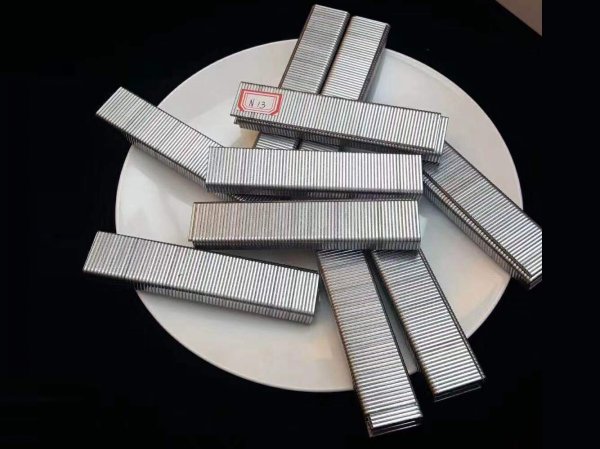 Wire StaplesGalvanized Wire Brad Staples
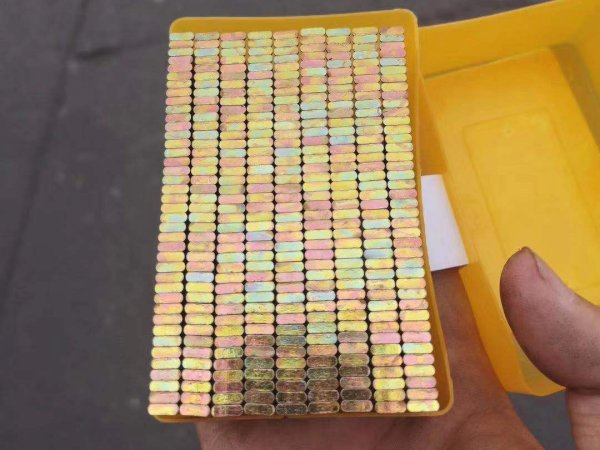 Collated Steel NailsGlue-Collated Brad Nails / Strip Nails
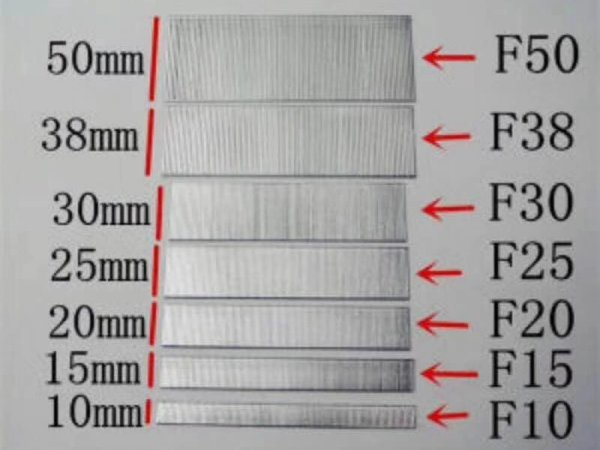 Straight NailsCommon Wire Nails
 Paint Cement NailsPainted-Masonry Nails
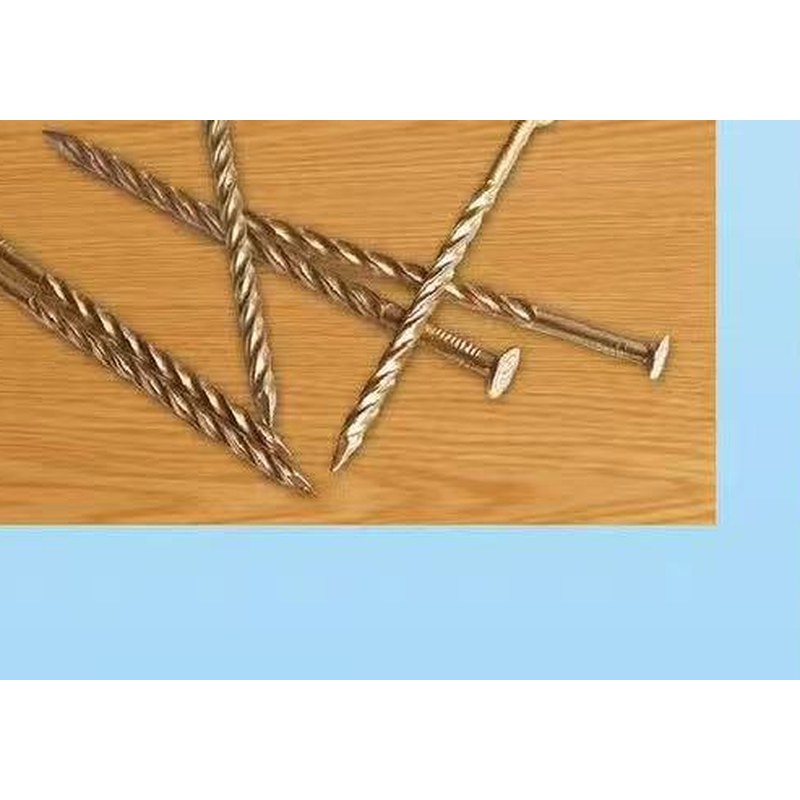 Floor NailsSquare-Hardened Floor Nails
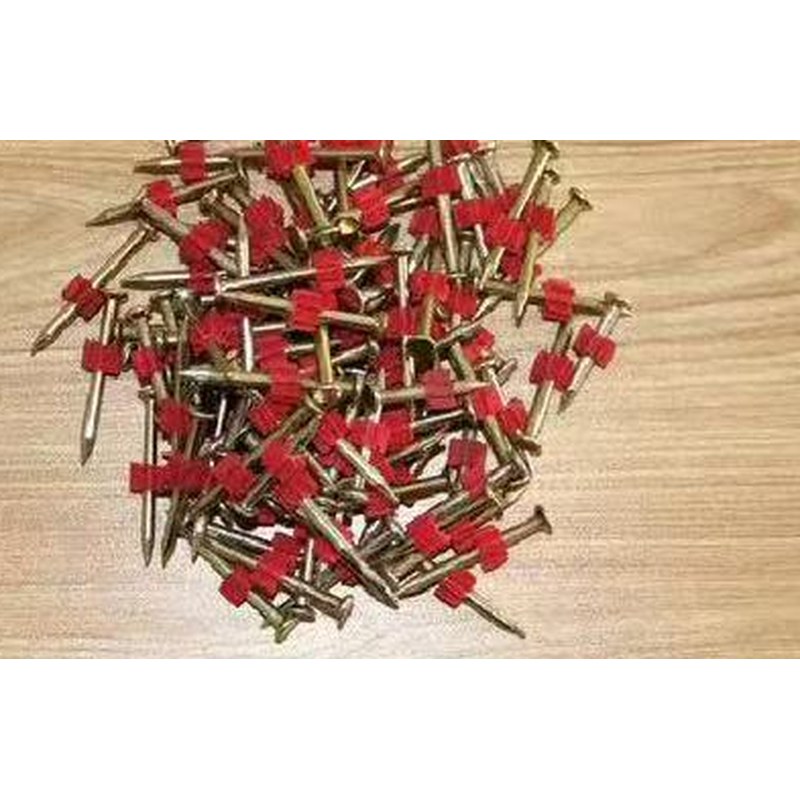 Concrete Shot NailsPowder-Actuated Concrete Nails
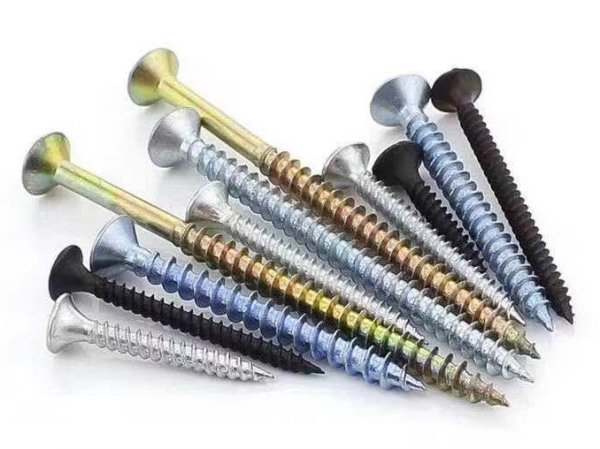 Eco Board NailsEco-Board / Melamine Board Screws
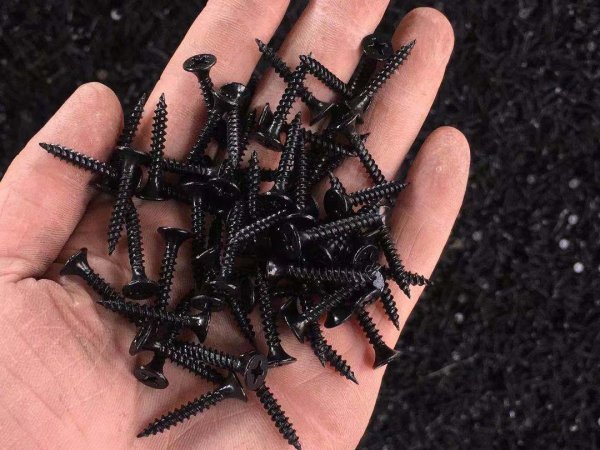 Drywall NailsHardened Drywall Nails