
Square-Hardened Floor Nails
Excellent hardness and bending resistance, with square or twisted shank for floors, furniture manufacturing, home decoration, packing and general site work.
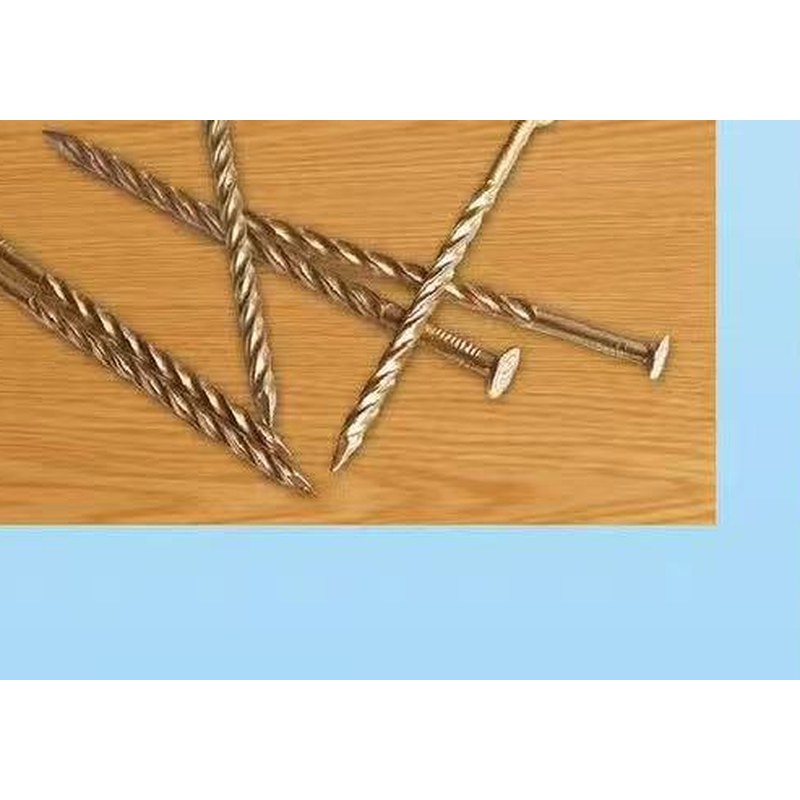
Excellent hardness, hardness and bending resistance — widely used for floors, furniture manufacturing, home decoration, packaging and general site work.
Floor nails are designed to be driven into a joist without splitting it, which is why the shank profile matters: a square shank grips the timber and resists withdrawal, while a twisted shank holds in softwood. They are usually hidden below the floorboard, so the head and finish are selected for function rather than appearance. We supply both profiles so the same container can cover a domestic and a commercial flooring programme.
Buying note: Square-shank and twisted-shank flooring nails, Ø2.65 mm, 30–100 mm, for fixing subfloor and engineered wood flooring to timber joists.
Floor nails (also called square twisted shank nails or flooring nails) are the hardened fastener for floor fixing. These are the typical buying scenarios:
Fixing hardwood floorboards, parquet and engineered flooring to timber subfloor.
Hardwood furniture frame and carcass assembly.
Heavy-duty board assembly where pull-out resistance matters.
Heavy timber and general hardwood joinery work.
Fixing timber roof battens and general structural timber.
Heavy-duty display and exhibition stand construction.
| Parameter | Specification |
|---|---|
| Head type | Square, twisted, checkered or flat head |
| Diameter | Ø2.65 mm, Ø3.0 mm, Ø3.4 mm, Ø3.8 mm |
| Length range | 30–100 mm (standard and special lengths on request) |
| Material | Hardened steel, high hardness and toughness |
| Finish | Bright, zinc-plated, hot-dip galvanized or stainless |
| Shank | Twisted or square (twisted gives much higher pull-out resistance) |
All figures are produced to the mill standard you specify and are confirmed on the mill test certificate. Tell us the grade, diameter, length and finish you need and we will quote the exact specification — or send us a drawing or a sample and we will match it.
Common questions we receive from overseas buyers of floor nails. If your question is not listed, send it to us and we will answer directly.
A twisted shank has a spiral groove cut into it, which gives it far greater pull-out resistance than a smooth shank of the same diameter — typically two to three times the holding power. In flooring this is the difference between a board that stays put under foot traffic and one that works loose and squeaks. For floor fixing we would always specify twisted shank.
For a 20 mm solid timber floor onto a timber subfloor, 50–60 mm twisted shank is the normal specification. The rule is 2.5 to 3 times the board thickness, which also gives enough penetration into the subfloor to develop holding power. On a thin concrete subfloor you would instead use a different fixing method entirely — tell us the substrate and we will advise.
In coastal, marine or continuously damp installations, yes — specify A2 stainless. Hot-dip galvanized floor nails will develop surface rust quickly in salt-laden air, and because floor fixings are invisible you will not see the corrosion until it is affecting the board. For standard inland installations, hot-dip galvanized is fully adequate and more economical than stainless.
We also supply the complete range below from the same partner workshops — ask for a combined container quotation.
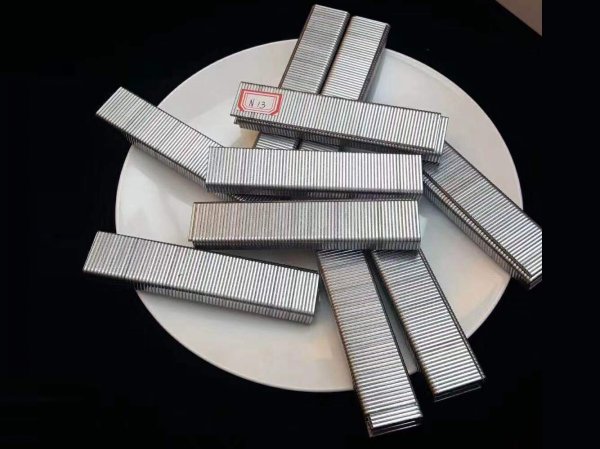 Wire StaplesGalvanized Wire Brad Staples
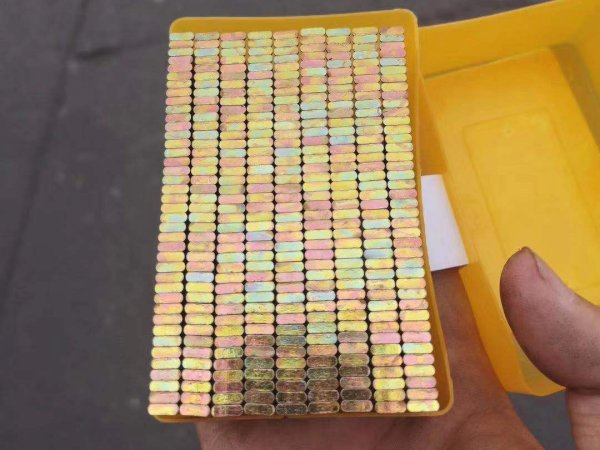 Collated Steel NailsGlue-Collated Brad Nails / Strip Nails
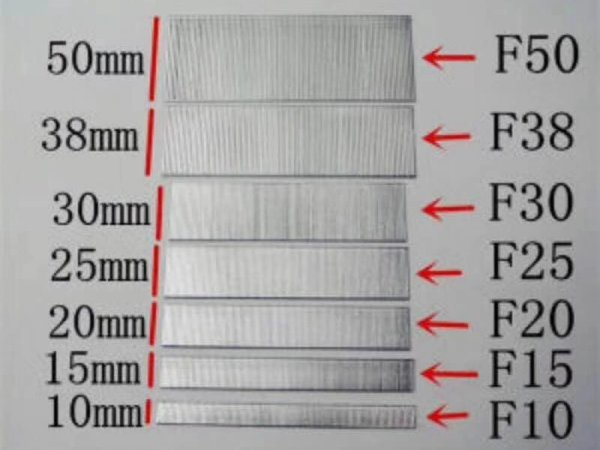 Straight NailsCommon Wire Nails
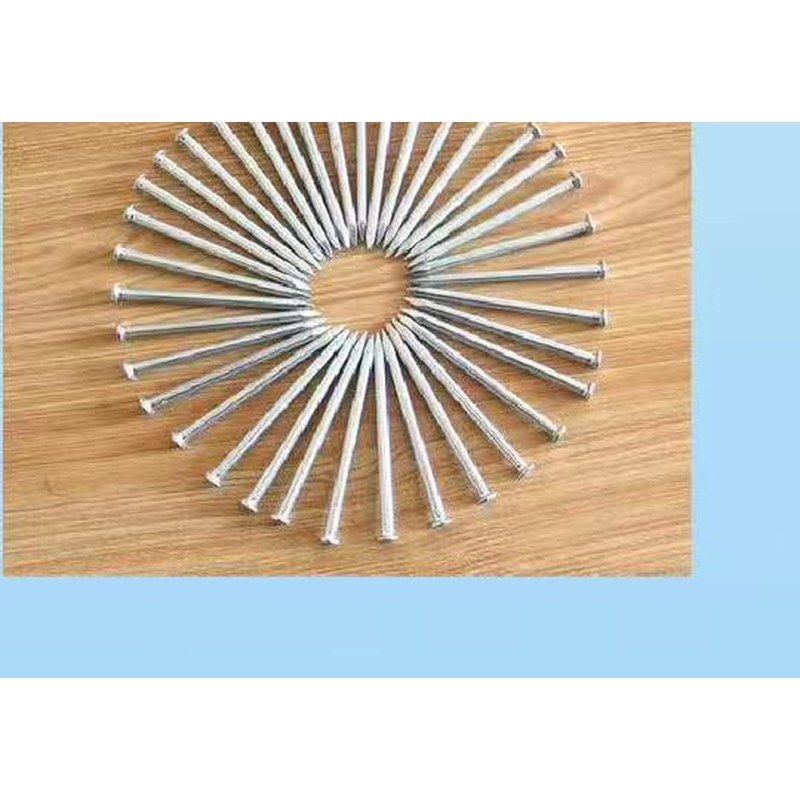 Special Cement NailsHardened Concrete / Masonry Nails
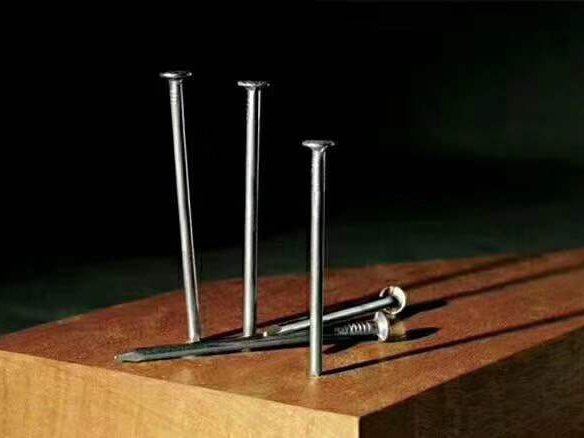 Paint Cement NailsPainted-Masonry Nails
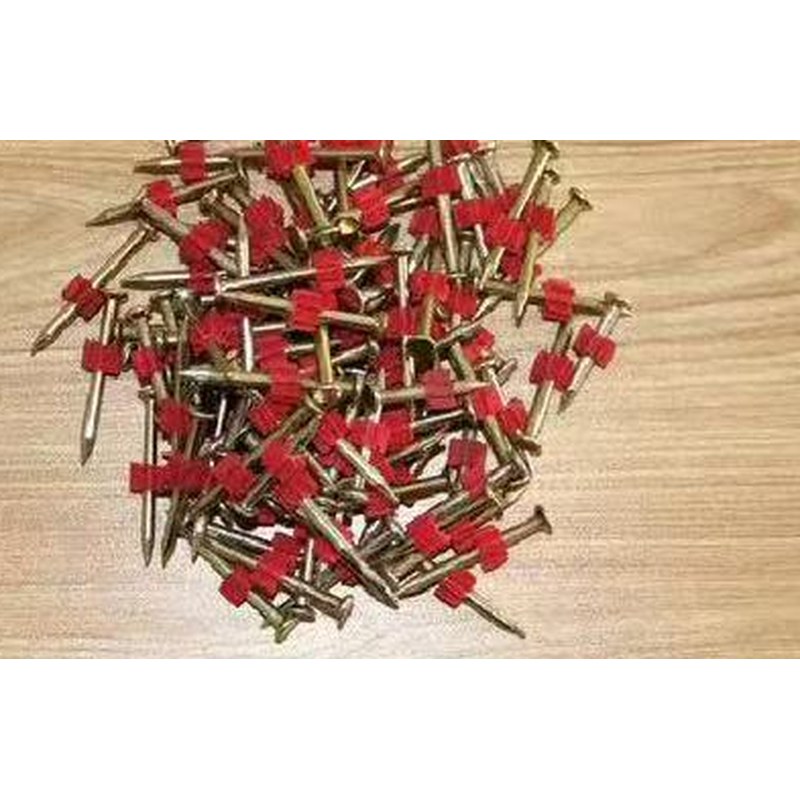 Concrete Shot NailsPowder-Actuated Concrete Nails
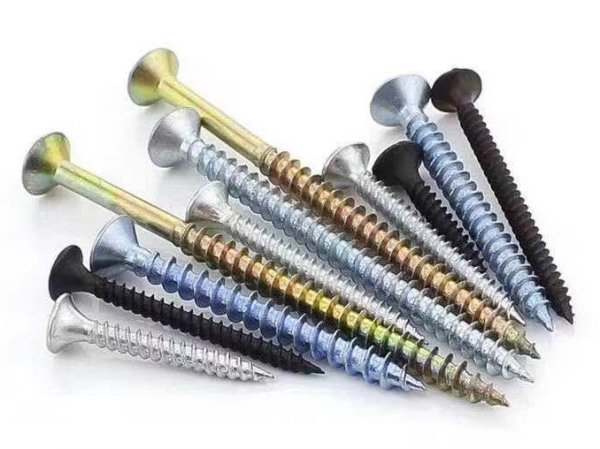 Eco Board NailsEco-Board / Melamine Board Screws
 Drywall NailsHardened Drywall Nails