
Hardened Drywall Nails
Hardened and tempered nails with the characteristic bugle head for fixing drywall, gypsum board and light steel partitions to wood or steel studs — without rusting on a humid jobsite.
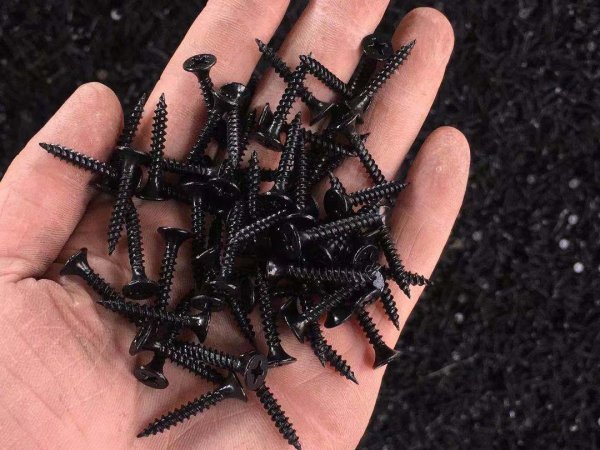
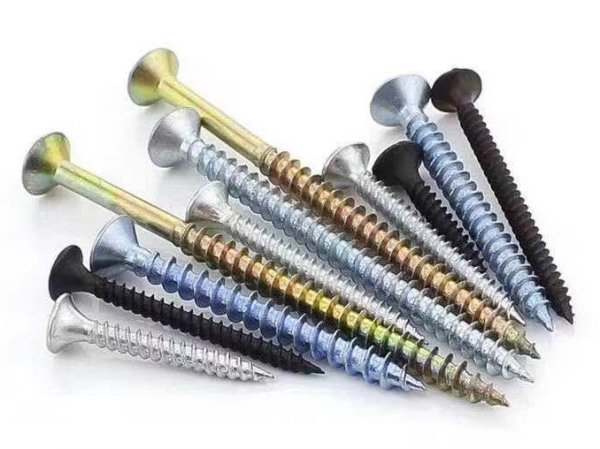
Its name is translated directly from the English "drywall screw", and its most distinctive visual feature is the bugle head. Available in double-thread fine-gauge and single-thread coarse-gauge versions — the key difference being that the former carries a double thread.
Drywall nails use a bugle head with a flat shank, which is what creates a smooth, flush finish once the board face is joint-compounded over the head. We supply hardened black, bright zinc-plated and stainless grades, and specify the stainless grade for bathrooms, external soffits and any application where the board is exposed to moisture. Lengths run from 16 mm for light board to 50 mm for double-layer or metal-stud applications.
Buying note: Hardened drywall nails with a bugle head, 16–50 mm, in black, bright zinc-plated and stainless steel. No rust on damp jobsites.
Drywall nails (also called bugle head nails or plasterboard nails) are the fastener for fixing plasterboard and drywall. These are the typical buying scenarios:
Fixing gypsum plasterboard to timber or metal framing.
Metal stud partitions and drywall lining in commercial interiors.
Fixing fire-rated and moisture-resistant plasterboard.
Fixing ceiling plasterboard to joists and secondary steelwork.
Non-load-bearing internal partitions and temporary site separation.
Repairing damaged boards and fixing boards to existing frames.
| Parameter | Specification |
|---|---|
| Head type | Bugle head (flat countersunk, twin ridge) |
| Diameter | Ø2.65 mm, Ø3.0 mm, Ø3.35 mm |
| Length range | 16, 25, 30, 40, 50 mm (13 mm for light gauge) |
| Material | Hardened and tempered carbon steel |
| Finish | Zinc-plated, hot-dip galvanized, black phosphated or A2 stainless |
| Shank | Smooth or ring-shank (annular grooved for better holding) |
All figures are produced to the mill standard you specify and are confirmed on the mill test certificate. Tell us the grade, diameter, length and finish you need and we will quote the exact specification — or send us a drawing or a sample and we will match it.
Common questions we receive from overseas buyers of drywall nails. If your question is not listed, send it to us and we will answer directly.
For 12.5 mm plasterboard fixed to timber joists or metal studs, 32–40 mm is the usual specification, and 25 mm is sufficient where the board is fixed to thin gauge metal framing or where the substrate is already close. The important point is total penetration: the nail needs to bite about 25 mm into timber beyond the board thickness to develop holding power.
Ring-shank (annular grooved) nails give noticeably better holding in timber and are the better choice for walls that may be loaded or that will experience movement. Smooth shank nails are cheaper and perfectly adequate for a standard partition. For anything above a standard internal partition — or for fixing into metal studs — ring shank is worth the small price difference.
Yes, for bathrooms, pool areas, coastal buildings and any application where the board may be exposed to moisture, use A2 stainless. Standard zinc-plated nails will show red rust within a short period in those conditions. For internal dry areas, zinc-plated is fully adequate and considerably cheaper.
We also supply the complete range below from the same partner workshops — ask for a combined container quotation.
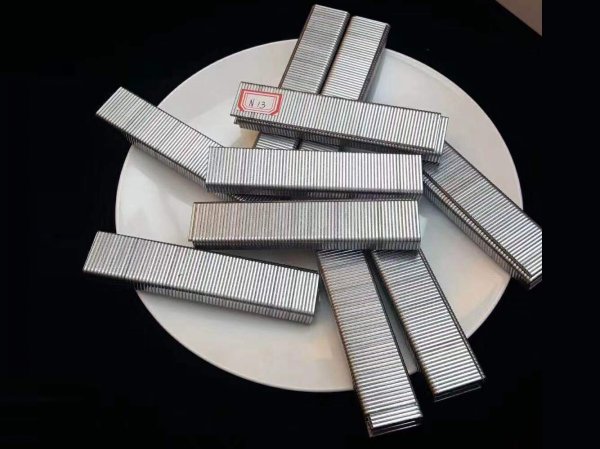 Wire StaplesGalvanized Wire Brad Staples
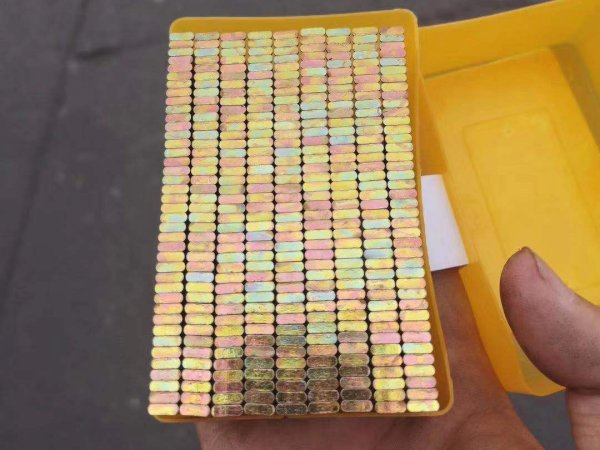 Collated Steel NailsGlue-Collated Brad Nails / Strip Nails
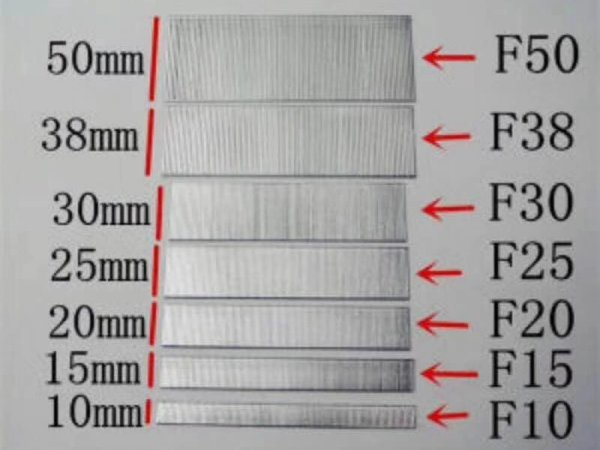 Straight NailsCommon Wire Nails
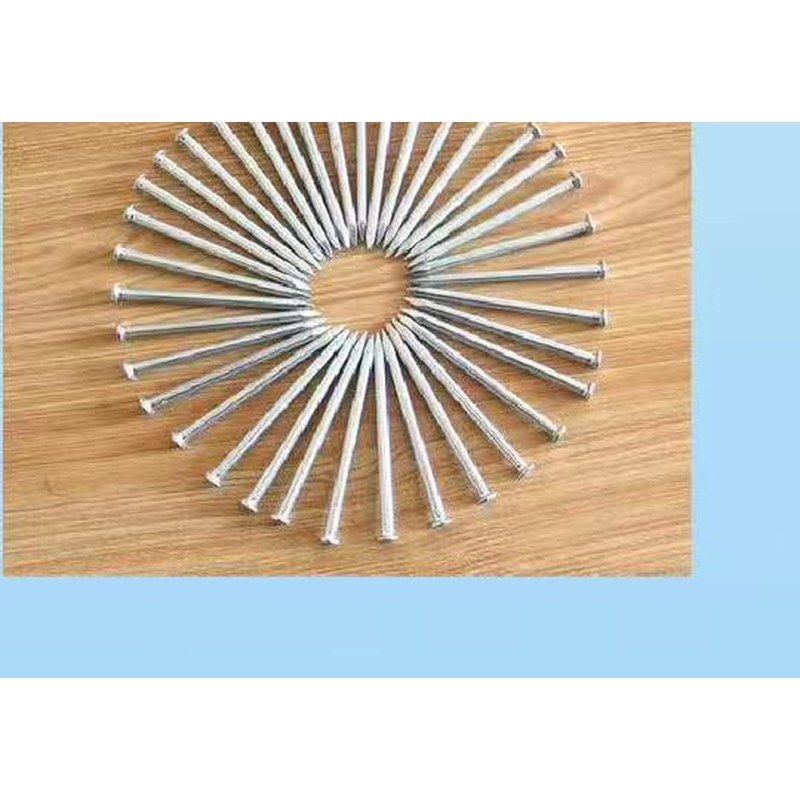 Special Cement NailsHardened Concrete / Masonry Nails
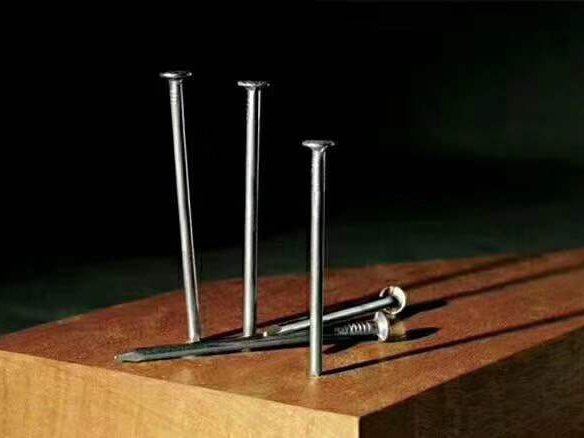 Paint Cement NailsPainted-Masonry Nails
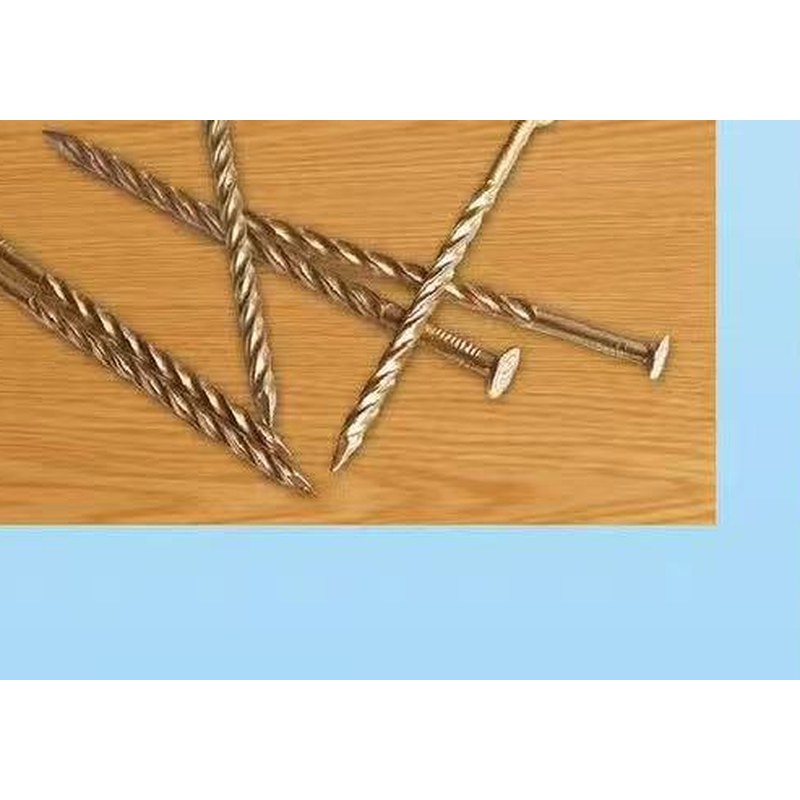 Floor NailsSquare-Hardened Floor Nails
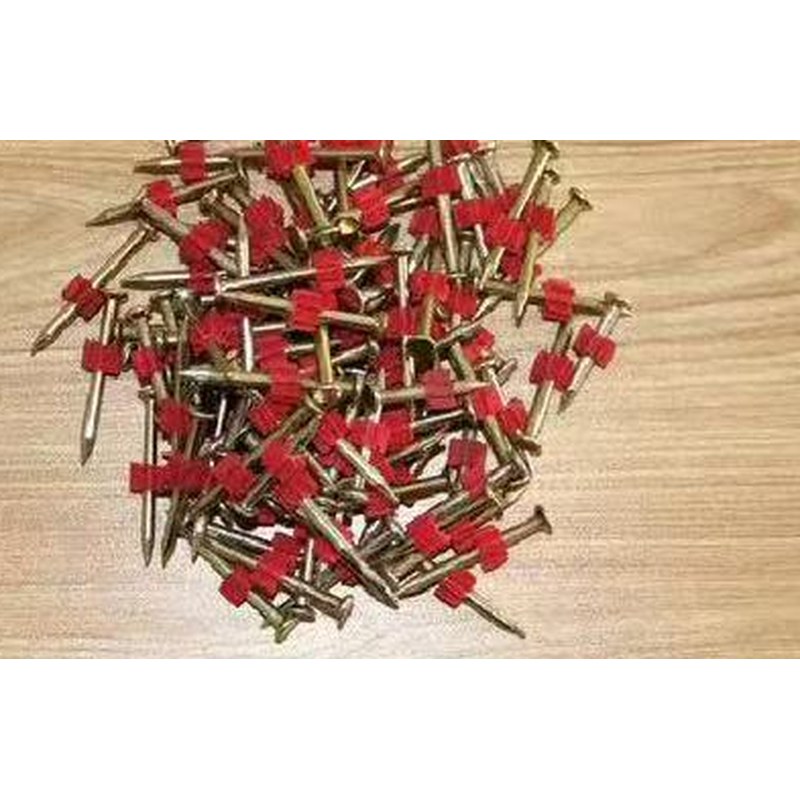 Concrete Shot NailsPowder-Actuated Concrete Nails
 Eco Board NailsEco-Board / Melamine Board Screws